Google Search

Loading
Showing posts with label india. Show all posts

Steady increase in hot days in Northwest and Southeast India in recent years: claims study


Heatwaves in india
The 2019 Indo-Pakistani heat wave across north India and Pakistan( Credit: NASA Earth observatory/ Wikimedia Commons)


According to a study conducted by the researchers from Indian Meteorological Department (IMD) and the Indian Institute of Technology, Delhi (IITD), there was a steady increase in the occurrence and duration of hot days in the Northwestern and Southeastern regions in India in the recent years. Analyzing weather data from 1951 to 2015 to understand the incidence and duration of heatwave conditions in India, the study found that the average heat wave duration in the Northwestern and Southeastern regions of India has increased during this period. 

However, the average duration of hot days has decreased over most parts of India from 1951 to 2015, except in the northwest and southeast regions. According to the researchers, this may be due to the increase in average heatwave duration in the Northwestern and Southeastern regions during the same period as hot days could be upgraded to the heatwave category as temperature soars.


India tops otter skin seizures in Asia during the last three decades, shows TRAFFIC study

Eurasian Otter (Lutra lutra) (Image courtesy by Bernard Landgraf CC BY-SA 3.0

Among the South Asian countries, India recorded the most number of otter skin seizures in the last three decades pointing to the intensive illegal fur trade in the region, claims a report by TRAFFIC, a global wildlife trade monitoring network.

According to the TRAFFIC report, during the period of 35 years from 1980 to 2015, India recorded 52.7 percent of total otter seizures recorded across 16 Asian countries. According to the data compiled from different CITES management authorities in these countries, a total of 167 incidents of otter seizures were reported during the 35 year period which amounted to a total of 5979 otter specimens. Among this, 88 incidents amounting to 3276 individuals were from India. The demand in the Chinese market is the major reason for the rampant illegal trafficking of otter skins from India, claims the report.

Human babies as crocodile bait: hunting practices of the British in Colonial India

mugger crocodile, Crocodylus palustris, crocodile hunting
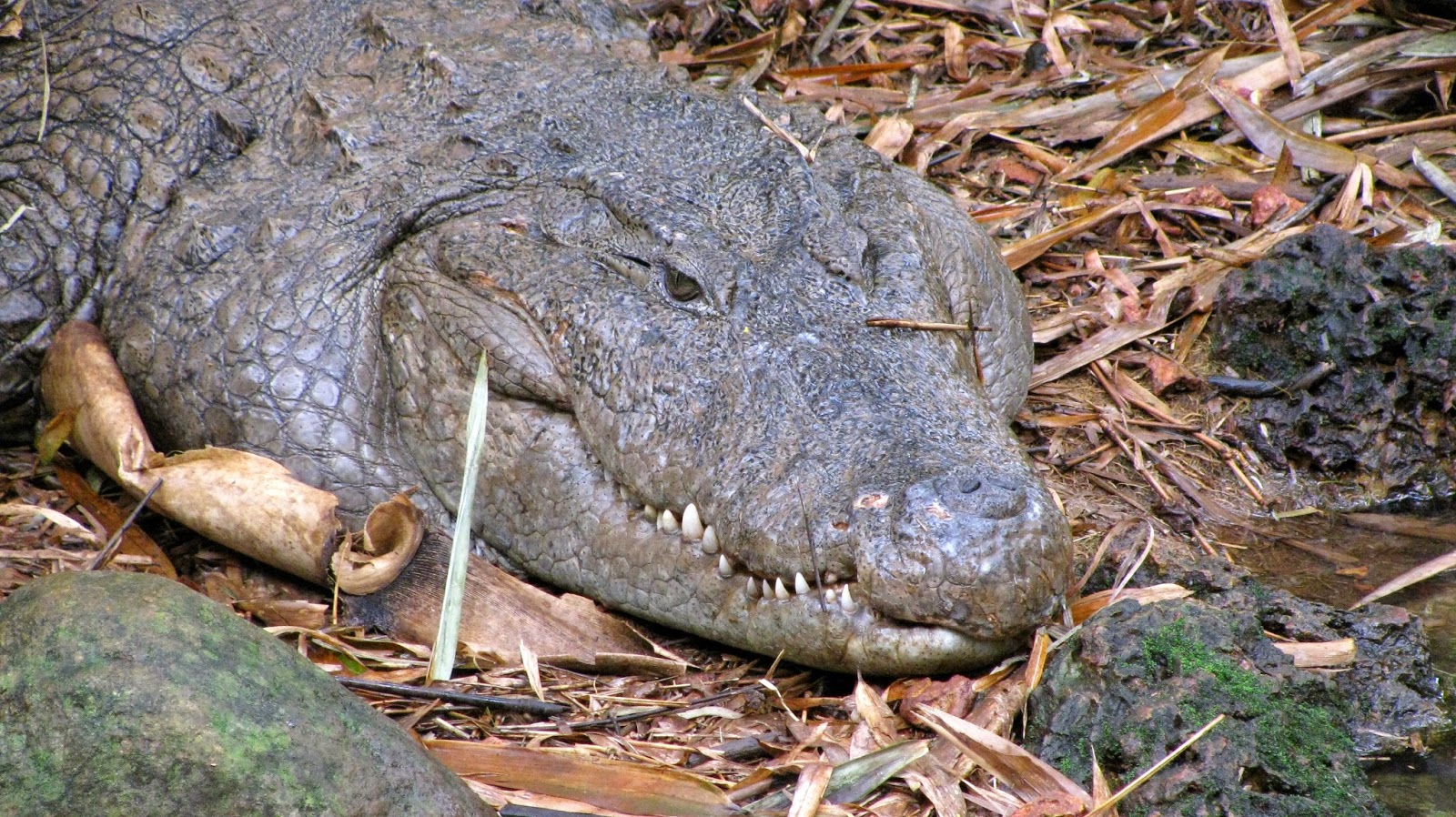
A mugger crocodile (Crocodylus palustris) under captivity in an Indian Zoo.
    
  The idea of using live human babies as crocodile bait may sound horrific, but the 19th century British hunters in colonial Sri Lanka and India found the idea so charming for big game hunting. A recent review of the 19th century records reveal that at least some British crocodile hunters during the colonial rule used live babies rented from the natives as bait to lure crocodiles.

Soma plant a fit veggie for troops in cold deserts, says Indian Defence research


Indian troops deployed in the drastic terrains of the cold desert in Leh may look forward to get a new item in their menu, as the defense researchers find that Soma (Rumex patientia), a common plant found in high altitudes, can be used as a vegetable. According to researchers at the Defence Institute of High Altitude Research (DIHAR), a division of the Defence Research and Development Organisation ( DRDO), Soma is fit to be used as a vegetable in cold desert areas where cultivation of common vegetables are not supported.
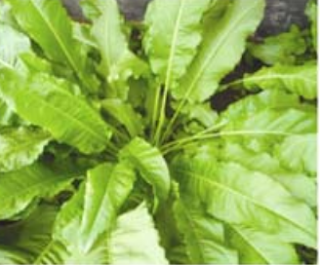
Rumex patientia, soma plant, vegetable in cold desert, cold desert, leh plant
Rumex patientia (Image Courtesy: Current Science)
According to a research correspondence published by DIHAR researchers in Current Science Journal, the leaves of the plant is rich with protein, fats, oil, crude fiber and carbohydrate which makes it a fit as spinach for common people and military personnel in the cold deserts areas like Leh and parts of Himachal Pradesh. “It (the plant) has the potential to meet the green leafy vegetable requirement of local people and troops deployed in Ladakh. It may also contribute towards development of products for helping in acclimatization and improved performance of especially the low-landers under high-altitude cold desert conditions.”, says the correspondence.
 
Soma plant is more productive than actual spinach, says the correspondence. “It grows fast and produces more biomass in a short period than spinach even in stony, sandy and less fertile soils”, it says.

Unlike the dietary benefits, the medicinal properties of the plant are rather known for years. It is used in traditional medicine systems as well. According to the researchers, the roots of the plant were used for the treatment of variety of ailments like pain, inflammation, bleeding, ringworm infection, tumour and constipation in Chinese folk medicine. Practitioners of Tibetan traditional medicine also utilize the plant for medicinal purpose. Several chemical compounds found in the leaves are the reason for the medicinal property, says the correspondence.

The researchers claim that planting soma will be beneficial to the environment also since it fights soil erosion and desertification. “It is beneficial for soil and water conservation, protects desertification and contributes towards land reclamation in the fragile cold arid ecosystem of Ladakh”, says the correspondence. 

While the plant is capable of surviving extreme temperatures, it can grow in arid, water logging conditions also. During April and August, about 300 to 900 grams of leaves can be collected in 7 to 8 pickings from an average plant, according to the researchers. The research correspondence also calls for mass cultivation of the plant in the cold desert areas.
During the study, the researchers have collected 40 seed samples of the plant and has preserved in the National Permafrost Facility at DIHAR. Narendra Singh, J. S. Arya, S. B. Maurya, R. B. Srivastava of Defence Institute of High Altitude Research, Leh-Ladakh have co-authored the correspondence.